
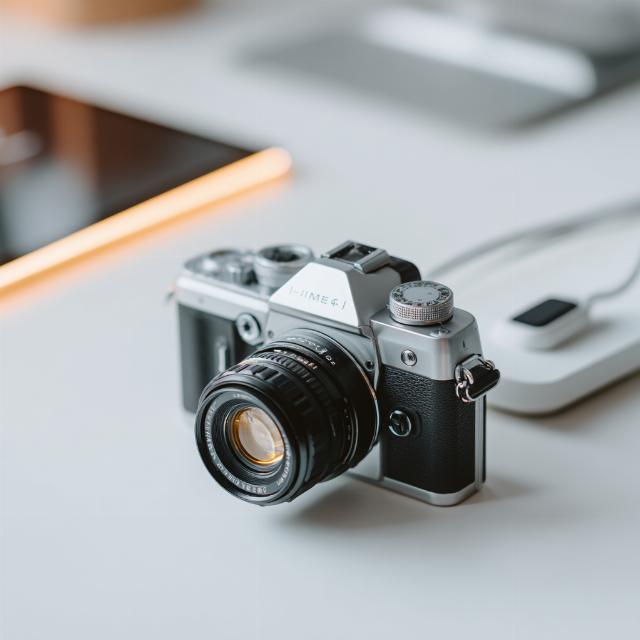
In an era dominated by digital technology and instant gratification, a quiet revolution is taking place among photographers who seek a deeper connection with their craft. The allure of analog cameras is experiencing a remarkable renaissance, drawing both seasoned professionals and curious newcomers into the world of film photography. This movement represents more than mere nostalgia; it embodies a desire to slow down, to engage with the photographic process in a meaningful way, and to create images that carry a distinct character and authenticity impossible to replicate with modern digital sensors.
The Timeless Appeal of Film Photography in the Digital Age
Film photography possesses an enduring quality that transcends technological advances. While digital cameras offer convenience and immediate results, the analogue experience provides something fundamentally different: a tangible relationship with the medium itself. Each roll of film carries its own personality, shaped by the chemical composition and manufacturing techniques of brands such as Kodak, Fujifilm, and Ilford. The grain structure, colour rendition, and tonal qualities of film create images with a warmth and depth that many photographers find irresistible. This organic aesthetic has become increasingly valued in a world saturated with hyper-processed digital imagery.
The revival of film photography is evident in the growing availability of cameras and materials, from classic 35mm models to medium format systems and even disposable cameras that have found new appreciation among creative communities. Specialist retailers now offer extensive ranges of film stocks, developing services, and accessories to support this enthusiastic community. The demand has encouraged manufacturers to reintroduce discontinued products and develop new film formulations, ensuring that this photographic tradition continues to thrive alongside its digital counterpart.
Rediscovering the Tactile Experience of Shooting on Film
Using analog cameras transforms photography from a point-and-shoot activity into a sensory journey. The mechanical precision of winding film, the satisfying click of the shutter, and the deliberate process of advancing each frame create a ritualistic quality absent from digital photography. These physical interactions forge a connection between photographer and camera that heightens awareness and engagement. The weight of a Canon F-1 or the distinctive feel of a Mamiya medium format camera reminds the user that they are working with precision instruments designed for deliberate creation rather than casual documentation.
This tactile dimension extends beyond the camera itself to encompass the entire workflow. Loading film requires care and attention, reminding photographers that they are working with a finite resource. The anticipation of waiting for development adds an element of suspense and excitement to the process, transforming photography into an event with distinct stages rather than an instantaneous digital transfer. This separation between capture and review encourages photographers to trust their instincts and technical knowledge, fostering confidence and skill development that translates across all photographic endeavours.
Why photographers are embracing analogue methods once more
The resurgence of film photography stems from multiple motivations that reflect contemporary concerns about technology and creativity. Many photographers report feeling overwhelmed by the endless options and constant connectivity of digital workflows. Film offers a respite from screen fatigue and the pressure of immediate sharing on social media platforms. The limited number of exposures on a roll encourages mindful photography, prompting practitioners to consider each shot carefully rather than capturing hundreds of images in the hope that one might succeed.
Additionally, the unique aesthetic qualities of film have become increasingly desirable as photographers seek to differentiate their work in a crowded visual landscape. The unpredictability inherent in film photography, from subtle variations in exposure to unexpected colour shifts and light leaks, introduces elements of serendipity that can elevate ordinary moments into extraordinary images. Cameras like the Holga and various Lomography models embrace these imperfections, celebrating the accidents and surprises that film naturally produces. This philosophy stands in stark contrast to the pursuit of technical perfection that often dominates digital photography, offering instead an approach that values character and emotion over clinical precision.
Mastering Composition and Intentionality with Limited Exposures
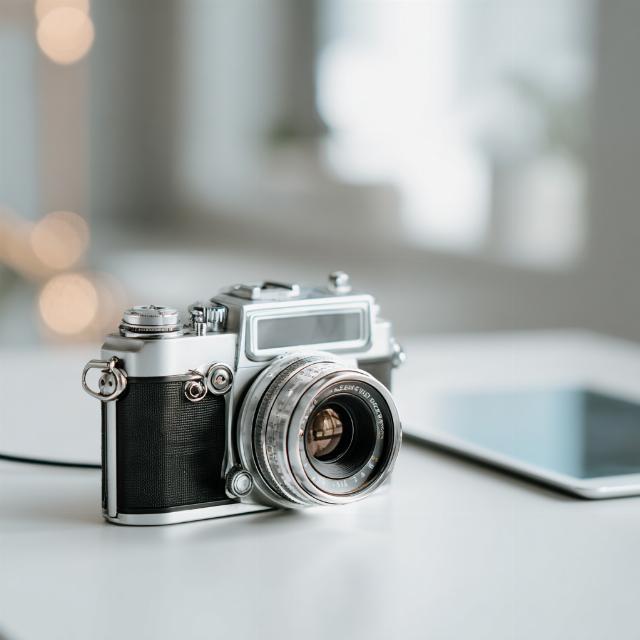
The constraints inherent in film photography serve as powerful creative catalysts. With typically only twenty-four or thirty-six exposures per roll of 35mm film, or even fewer frames with medium format systems, photographers must approach each image with deliberation and purpose. This limitation fundamentally changes the shooting experience, transforming photography from a casual activity into a considered practice. The knowledge that film and processing carry ongoing costs further reinforces the value of each exposure, encouraging photographers to wait for the decisive moment rather than hoping to capture it through volume.
How Film Forces You to Perfect Your Technique Before Pressing the Shutter
Working with analog cameras demands a thorough understanding of photographic fundamentals. Without the safety net of instant review and unlimited retakes, photographers must master exposure, composition, and focusing before committing their vision to film. This requirement cultivates technical competence and confidence that elevates overall photographic ability. Learning to assess light conditions accurately, to understand how different films respond to various situations, and to anticipate the final result based on experience rather than immediate feedback represents a challenging but rewarding educational process.
Many photographers find that this discipline improves their digital work as well, as the habits formed through film photography translate into more intentional practices regardless of medium. The process of visualising the final image before pressing the shutter, considering the interplay of light and shadow, and composing with care becomes second nature. Resources such as beginner's guides and photography blogs offer valuable insights for those embarking on their film photography journey, providing practical advice on camera selection, film choice, and technique refinement.
The Art of Patience: Waiting for Development to Reveal Your Vision
Perhaps the most profound difference between film and digital photography lies in the temporal separation between capture and viewing. After completing a roll of film, photographers must wait for development before discovering whether their vision has been successfully realised. This delay, which might seem inconvenient in our instant-gratification culture, actually offers significant creative benefits. The waiting period allows photographers to reflect on their shooting experience, to recall the circumstances surrounding each exposure, and to approach their images with fresh perspective when the developed film finally arrives.
This enforced patience encourages a more contemplative relationship with photography. Rather than immediately deleting unsuccessful images and moving on, film photographers learn to appreciate the entire body of work, including the mistakes and unexpected results that often yield valuable lessons. The joy of receiving developed film, whether from a professional lab or home processing, brings excitement and anticipation that has been lost in the digital age. Many practitioners describe this moment as reconnecting with childhood memories of collecting photographs, imbuing the entire process with emotional resonance that deepens their attachment to the medium and the images they create.